MultiConsult-Africa is a Malawi-based consultancy firm dedicated to providing high-quality research, training,
capacity building, and project evaluation services to support humanitarian and development programs.
We have expanded our expertise beyond Malawi, contributing to projects in countries across the region, including South Sudan, Sudan, Somalia, Kenya, Mozambique, Zambia, Tanzania, South Africa, Rwanda, and Nigeria.
We have partnered with diffent organisations including WFP, Welthungerhilfe, GIZ, the EU, FAO Malawi, Save the Children, Feed the Children, UNICEF, Plan International




About us
Our team comprises experts in Statistics, Social Sciences, Political Science, Development Studies, Information Technology,and Financial Management with specialized knowledge in areas such as Agriculture (Crops and Animal Science), Water and Irrigation, ICT Infrastructure, food security, maternal and child health, nutrition, water, sanitation and hygiene (WASH), early childhood education and development, climate change, disaster risk reduction, social protection, and gender empowerment.
- Our mission aligns with the efforts of government bodies, NGOs, and UN agencies working towards poverty reduction in southern Africa and beyond.
- Our team comprises experts in Statistics, Social Sciences, Political Science, and Development Studies
- Our team comprises experts in Statistics, Social Sciences, Political Science, and Development Studies
- Over the years, our consultants have extended their expertise beyond Malawi, contributing to projects in countries across the region, including South Sudan, Sudan, Somalia, Kenya, Mozambique, Zambia, Tanzania, South Africa, Rwanda, and Nigeria
We have implemented key projects in areas such as Agriculture (Crops and Animal Science), Water and Irrigation, food security, maternal and child health, nutrition, water, sanitation and hygiene (WASH), early childhood education and development, climate change, disaster risk reduction, social protection, and gender empowerment.
Why us
We have proven experience with data collection, survey design, monitoring and evaluation
01 Nationwide and Large-Scale Rural Household Surveys Experience
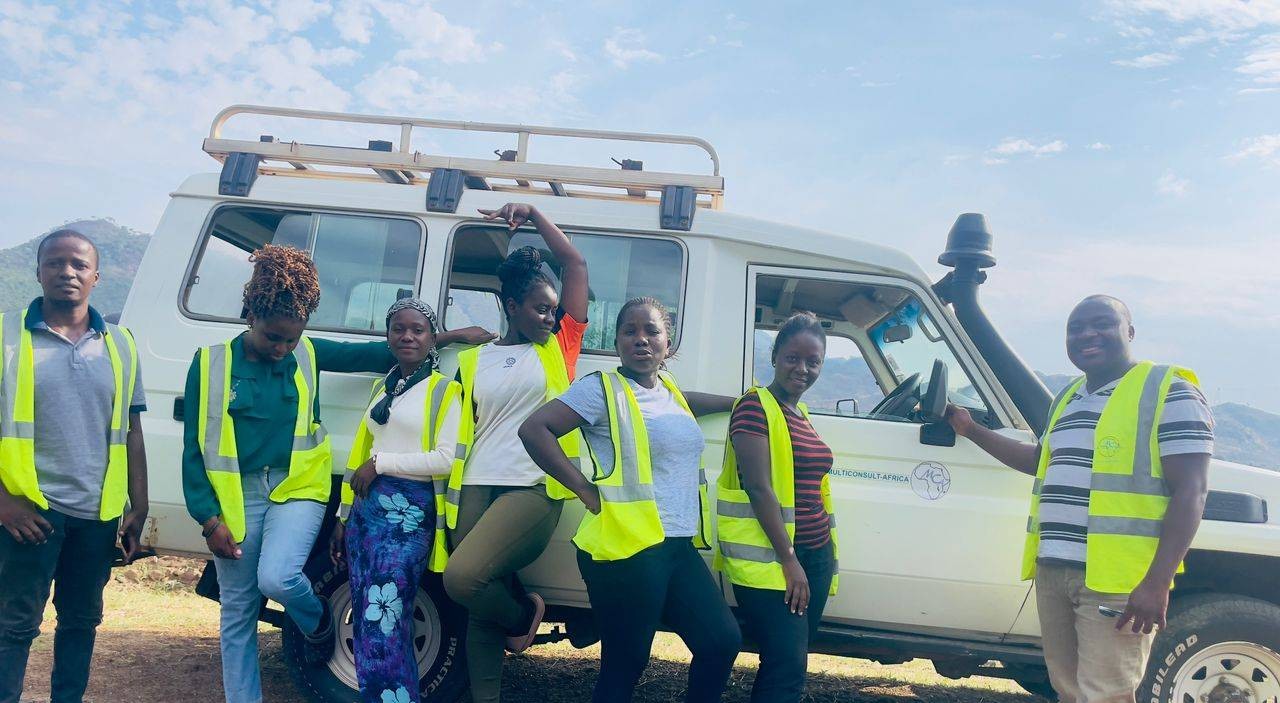
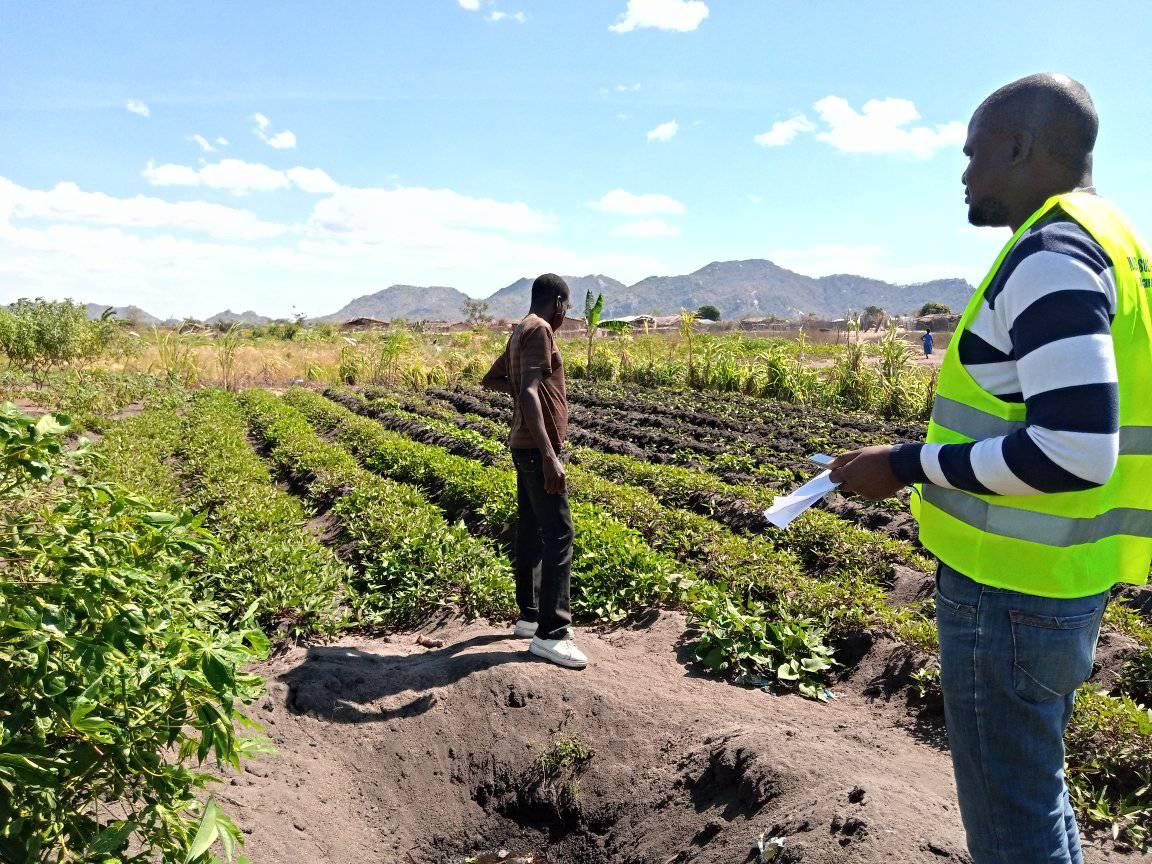
MultiConsult-Africa has over five years of experience in implementing nationwide and large-scale rural household surveys. Our firm has successfully executed multiple projects across Malawi, covering diverse regions, including the northern, central, and southern areas. For instance, we led a national survey on agricultural and livelihoods practices, which involved collecting data from over 5,000 households spread across 200 Group Village Heads. Our experience in navigating the logistical challenges of rural data collection, including difficult terrains and varying climatic conditions, ensures that we are well-equipped to handle large-scale survey operations efficiently and effectively.
02 Evidence of Capacity and Quality Output Delivery:
MultiConsult-Africa prides itself on delivering high-quality outputs, consistently meeting and exceeding client expectations. We have received positive feedback from past survey implementers, including international organizations such as the WORLD BANK, WFP, FAO, WHH, SOSURE-EU, SAVE the CHILDREN, WORLD VISION MALAWI, Christian AID, UNICEF and Poverty Reduction and Social Protection (PRSP) Division in the Ministry of Finance and Economic Affairs, who have commended our meticulous approach to data collection and analysis. For example, in a recent health survey, our timely and accurate delivery of data allowed the client to meet critical reporting deadlines, which was essential for policy development. Documentation from our firm includes detailed reports, data validation logs, and client testimonials that affirm our commitment to quality.
03 Pool of Trained and Experienced Enumerators and Supervisors
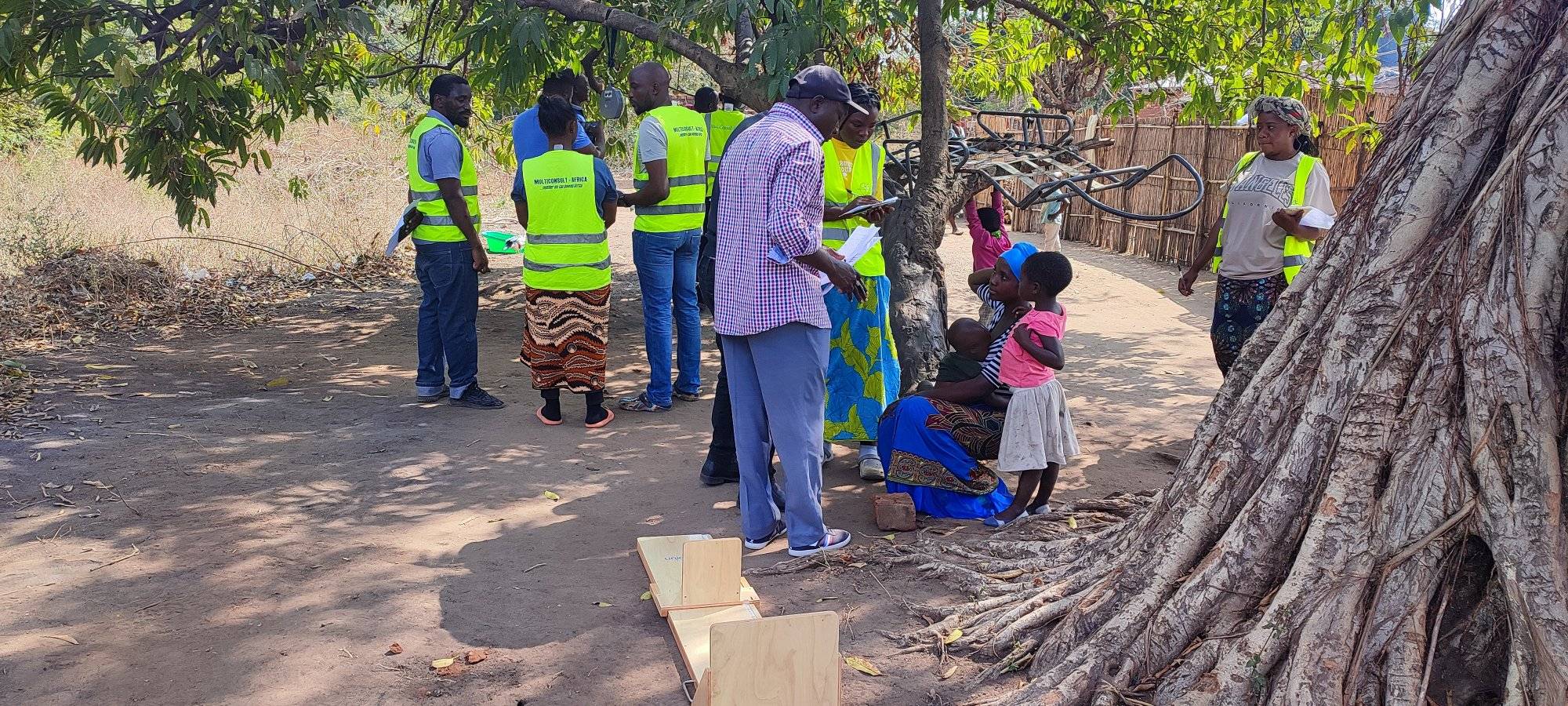
Our firm maintains a robust pool of trained and experienced enumerators and supervisors who are well-versed in conducting surveys across Malawi’s northern, central, and southern regions. We have a rigorous selection and training process that ensures all field staff are proficient in the local languages and culturally sensitive to the communities they work in. For instance, during a recent baseline survey on WFP Cash Plus Intervention in disaster prone districts of Malawi, our enumerators effectively engaged with respondents in remote areas, achieving a high response rate and reliable data. Our supervisors are experienced in managing field teams, ensuring that data collection adheres to the highest standards.
04 Proven Management of Enumerators and Supervisors
MultiConsult-Africa has a proven track record of managing large teams of enumerators and supervisors across various regions. Our management system is designed to ensure clear communication, efficient task allocation, and continuous monitoring of field activities. In a recent socio-economic survey, we managed a team of over 100 field staff, coordinating their activities across multiple districts. Our supervisors conducted daily briefings, field visits, and real-time problem-solving, ensuring that the survey was completed on schedule and within budget..
05Tablet-Based Programming and Interviewing
Our firm is highly skilled in tablet-based programming and interviewing, utilizing platforms such as SurveyCTO and Kobo Collect. We have developed and deployed customized CAPI (Computer-Assisted Personal Interviewing) programs for various surveys, which streamline data collection and reduce errors. In a recent Impact Evaluation project FMM/GLO/148/MUL [Promoting coherence between disaster risk reduction, climate action and social protection in Sub-Saharan Africa (Malawi) survey, our use of tablet-based interviewing allowed for immediate data validation and uploading, significantly improving the efficiency of the survey process. This technology also enabled us to provide real-time feedback to enumerators, enhancing the accuracy and reliability of the data collected.
06 Data Management
MultiConsult-Africa employs a robust data management system that ensures the integrity, security, and accessibility of collected data. Our data management practices include the use of encrypted storage, regular backups, and secure data transfer protocols. For instance, in a recent water and sanitation survey, our data management team implemented a system that allowed for daily uploads to a secure cloud server, enabling continuous data monitoring and early identification of any discrepancies. Our expertise in managing large datasets ensures that all data is handled with the utmost care, from collection to final analysis.
07 Data Quality Check System
Ensuring data quality is a cornerstone of our operations at MultiConsult-Africa. We have developed a comprehensive data quality check system that includes real-time validation during data collection, periodic data reviews, and corrective measures such as callbacks. In a recent agricultural productivity survey, our quality checks identified inconsistencies early, allowing us to rectify them promptly and maintain the overall integrity of the dataset. This system not only enhances the reliability of the data but also ensures that any issues are addressed before the final analysis.
08 Good Supervision, Communication, and Feedback System
Our supervision, communication, and feedback systems are designed to ensure that all aspects of the survey process are closely monitored and continuously improved. We utilize a multi-tiered supervision structure where field supervisors, regional coordinators, and central management work in sync to oversee operations. For example, during a recent Strengthen Rural Governance of Right to Food survey, our communication system allowed for immediate feedback from the field to the central office, enabling quick resolution of any challenges encountered by enumerators. Regular debriefing sessions and communication channels like WhatsApp groups ensure that all team members are informed and supported throughout the survey.
09 Sufficient Protocols for Ethical and Safe Data Collection
MultiConsult-Africa is committed to upholding the highest ethical standards in all our data collection activities. We have developed detailed protocols that ensure informed consent, confidentiality, and the safety of both respondents and field staff. During a recent SRHR-health survey involving sensitive topics, our ethical protocols were instrumental in gaining the trust of respondents and ensuring their comfort throughout the interview process. Our training includes modules on ethical data collection, and we have procedures in place to handle any ethical concerns that may arise in the field.
10 Timely Delivery of Outputs
Timely delivery is a hallmark of MultiConsult-Africa's operations. We have a strong track record of meeting deadlines without compromising on the quality of our work. Our project management approach includes detailed timelines, regular progress tracking, and contingency planning to address any potential delays. In a recent UNICEF girl education survey, we delivered the final dataset and report ahead of schedule, allowing the client to proceed with their program planning without delay. Our commitment to punctuality is reinforced by our ability to anticipate and mitigate risks that could impact project timelines.
Our Services
Survey design
We are proficient in designing cross-sectional, longitudinal, and nationwide studies using ODK and Kobo platforms. Our expertise also extends to crafting Knowledge, Attitude, and Practice (KAP) surveys, Polling Booth Surveys (PBS), Nutrition Smart Surveys, and food and livelihood security studies
Monitoring & Evaluation
We have extensive experience in long-term monitoring and evaluation for a variety of organizations, including WFP, Welthungerhilfe, GIZ, the EU, FAO Malawi, Save the Children, Feed the Children, UNICEF, Plan International, Christian Aid, United Purpose, Oxfam, ILO, WaterAid, and World Vision, among others
Data Analysis
Our consultants are well-versed in various types of data analysis, including descriptive, diagnostic, predictive, and prescriptive analytics.
Statistical and analytical software tools
STATA, AutoCAD, QGIS, ILWIS, CropWAT, EPANET, DMAP, SPSS, MATLAB, DSSAT, OptiWAT, GenStat, Python, Hydroflo, AquaCrop, ArcMap, SPAW, Surfer, HEC-RAS, HEC-HMS, Civil-3D, R, WaterCAD, IrriCAD, CADREflow, Pipeflow Advisor, PipeMaker, and Microsoft Office Suite ).
Cross-Cutting Themes and Information
Organizational diversity and gender equity
In Malawi, the term "gender" often confuses people, with issues seen mainly through women's experiences due to gender inequalities and violence.
Gender mainstreaming and transformative programming policy
We have extensive experience in evaluating projects that incorporate gender mainstreaming and transformative programming policies. Our work has primarily been with organizations such as Plan International Malawi, UNICEF, Save the Children, CARE Malawi, Christian Aid, United Purpose, the SRHR Africa Trust (SAT), and several others. We believe that these projects, which have significant transformative potential, include the following:
Protection from Sexual Exploitation and Sexual Abuse (PSEA) and Protection policies
Sexual exploitation and abuse (PSEA) constitute severe violations of fundamental human rights. Malawi, as a member of the Southern African Development Community (SADC), has been significantly affected by these issues.
Our Team
Team composition and key experts

Sangwani Chavula
Head of Humanitarian and Developmental ProgramsEducation, WASH, Agriculture, Maternal and Child Health and Nutrition, Gender and Social Protection

Nathan Phiri
Technical LeadICT Infrastructure